Yes, one replacement wheel can often be refinished to look consistent with the three used wheels, but a matching part number does not guarantee the same visible colour or gloss. Ageing, previous repairs and finish type affect the result. Monaco must compare the actual wheels before confirming whether a localised repair, full-face refinish or replacement is eligible; a photo cannot confirm structural safety, final price or repair eligibility.
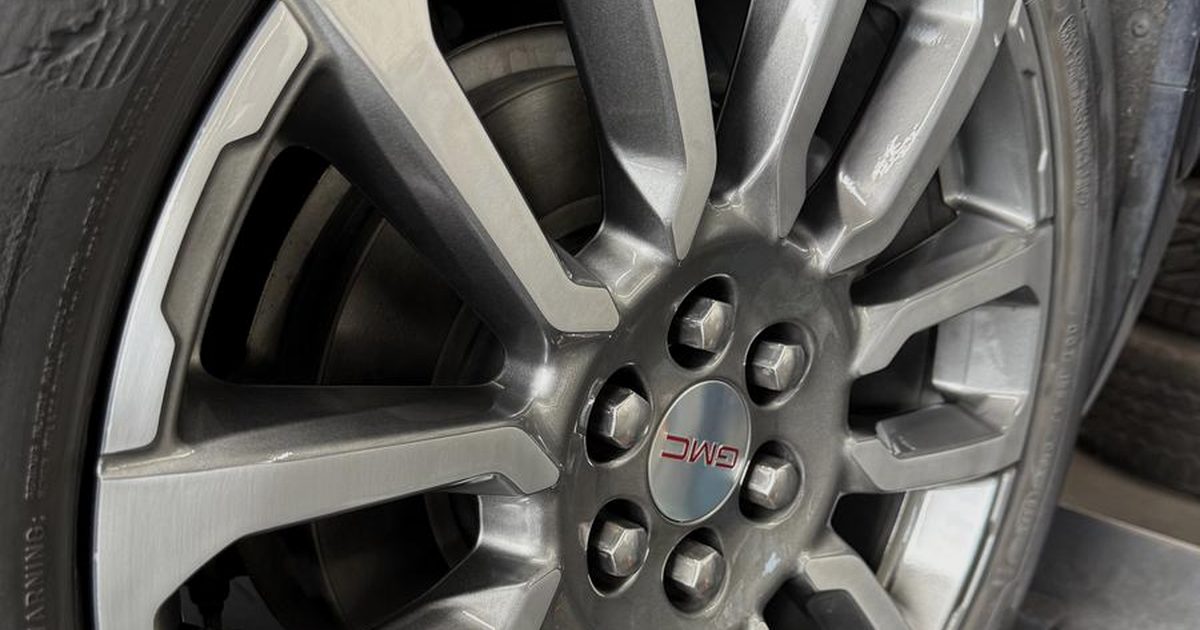
Why the same part number may not produce the same appearance
A matching part number helps confirm wheel design, dimensions and application. It does not describe everything visible on a used wheel. Two wheels that left the factory with the same finish can look different after years of sun, washing, brake dust, road exposure and previous cosmetic work. The replacement may also have come from a vehicle with different use and storage conditions.
Colour is only part of the comparison. Gloss level, metallic flake, surface texture and the clarity of the top coat all affect how the wheel reads beside the other three. A slightly brighter silver may be difficult to notice by itself but obvious when fitted next to an older wheel on the same side of the vehicle.
The paint-selection process is covered in the existing wheel paint matching guide. The practical question here is different: which wheel should set the visual reference when one replacement joins an already-used set?
Compare three sources before choosing the repair
A useful assessment separates the evidence into three labelled groups rather than relying on the replacement wheel's part number or paint code alone.
- Original set: Inspect the three wheels already on the vehicle together. Note whether they still match one another, whether the difference changes from shade to sunlight and whether the front wheels appear darker or duller than the rear wheels. If the three originals are inconsistent, there is no single existing colour to copy without first deciding which appearance you want to preserve.
- Replacement wheel: Confirm the part number, dimensions, spoke shape and face style, then compare its colour, gloss and texture with the originals. Look at the spoke edges, lug recesses and inner openings as well as the broad face. Those less-exposed areas can help distinguish an aged factory finish from a later full-face refinish.
- Prior repair history: Record anything known about curb rash repairs, repainting, powder coating or machining. A wheel may look original while carrying a later coating over the factory finish. If the history is unknown, differences around repaired edges, masking lines or finish texture may still affect the recommendation, but inspection cannot always establish exactly what was done.
Photograph the replacement beside one original wheel under the same neutral light and at the same angle. Separate photos taken at different times can distort the comparison because phone processing, reflections and warm garage lighting change apparent colour.
Check the match from normal viewing positions
Compare the wheels on the vehicle before approving a cosmetic scope. A loose wheel viewed indoors can appear acceptable, then look noticeably different once it sits beside an original under daylight. Clean all comparison wheels with the same non-abrasive method first, because brake dust and tyre dressing can shift the apparent contrast.
- Same side: Compare the replacement with the front or rear original nearest to it. Side-by-side differences usually matter more than a small variation across opposite sides of the vehicle.
- Several angles: Step back, then check from the front quarter, side and rear quarter. Metallic orientation and spoke shape can make a close colour read differently as reflections move.
- Two lighting conditions: Compare in open shade and daylight rather than relying only on direct sun or workshop lights. The goal is consistency through ordinary use, not a match in one carefully selected reflection.
If one wheel still draws attention while the three originals look consistent, a full-face refinish of the replacement may provide the cleaner result. If every wheel differs, identify the preferred reference before authorising work; otherwise a newly finished replacement can look out of place for being cleaner or glossier.
What Monaco needs to assess the set
For an initial alloy wheel repair and refinishing assessment, identify the vehicle and whether the replacement is already fitted. The clearest evidence is a group photo showing the replacement and at least one original wheel together, followed by close views of the face, edge damage and finish.
- The vehicle year, make, model and trim.
- The city where the vehicle is located.
- How many wheels need work.
- Whether the finish is painted, machined, polished or coated.
- Any curb rash, bends, cracks, corrosion or peeling.
- Known refinishing or replacement history.
- Any vibration, pressure loss or repeated tyre warning.
A photo can show visible finish differences and obvious cosmetic damage. It cannot establish that a wheel is structurally sound. Vibration or pressure loss may indicate a tyre, wheel or mounting issue that needs physical inspection. Bent-wheel evaluation and wheel straightening take place at Monaco's Costa Mesa shop because the work requires shop equipment.
If a crack is visible, do not drive on the wheel. Arrange safe transport and professional assessment. Monaco declines to weld cracks in structural areas and recommends replacement instead. A cosmetic colour match does not make a structurally unsuitable wheel safe.
Choose the smallest refinish that produces a credible match
The right scope depends on where the difference appears and how closely the other three wheels match each other. Inspection determines which of these routes is suitable.
Localised repair on the replacement
A localised repair may make sense when the replacement already agrees with the used set in colour, gloss and texture, and the problem is limited to a repairable area such as curb rash. The surrounding finish then remains the reference. This option is less convincing when the entire replacement is brighter, darker, flatter or more reflective than the other wheels.
Full-face refinish of the replacement
A full-face refinish may be the better comparison when the visible difference extends across the spokes and centre rather than one damaged edge. The aim is to make the replacement sit naturally with the used set, not to make it look newly refinished in isolation. The three originals therefore need to be viewed as a group before the finish target is chosen.
Refinish more than one wheel
Sometimes the originals no longer match one another, or one has already been refinished to a visibly different standard. Refinishing only the replacement could add a fourth variation. In that situation, Monaco may recommend comparing wheels by axle or discussing a broader refinishing scope. That decision depends on the actual set and should not be assumed from photos alone.
The practical target is visual consistency at normal viewing distance while preserving an appropriate finish. A promise of an exact match before inspection would ignore the condition and history of the used wheels.
Finish type can change the available route
Painted wheels allow colour and gloss to be assessed across the full face. Powder-coated wheels must also be compared for texture and sheen; Monaco's powder coating is Costa Mesa shop work because it requires controlled preparation and curing equipment.
A machined or diamond-cut face is not matched through paint alone. Its visible appearance combines the machined surface with painted sections and clear finish. These wheels require shop inspection and, when eligible, lathe work through the diamond-cut wheel repair service. There is no universal safe number of machining passes: remaining material, existing damage and prior machining must be assessed on the wheel.
Monaco's Las Vegas service is mobile and limited to eligible cosmetic wheel and brake caliper work. Straightening, powder coating, diamond-cut machining and structural evaluation remain Costa Mesa shop services; location and eligibility must be confirmed during assessment.
What changes the quote
The quote depends on wheel condition, finish type, damage location, previous repairs, the number of wheels involved and whether the work is localised or full-face. Structural inspection, straightening, coating and machining add different requirements, so a part number or distant photo is not enough for final pricing. The wheel repair cost guide explains these factors without assigning a figure before the job is assessed.
Request an initial Costa Mesa assessment
Orange County service is by appointment at the Costa Mesa shop. An enquiry starts an assessment; it does not confirm an appointment, repair eligibility or final pricing.
Text a clear wheel photo to (949) 800-8502. Include your city, vehicle year and model, the number of wheels involved, visible damage and finish type, and a usable callback number. Mention any vibration, pressure loss, tyre warning or visible crack. If possible, include one photo of the replacement beside an original wheel in neutral light.
The photo helps Monaco determine whether the job appears to fit the service and what should be inspected next. It cannot confirm structural safety, a final price or that the wheel is repairable. Bring the vehicle or requested wheels only after the appointment has been confirmed.
Related repair guides
Common questions
Will a replacement wheel with the same part number match the other three?
Not automatically. The part number can confirm the wheel design and application, but ageing, gloss, previous refinishing and exposure can create a visible difference. The actual wheels need to be compared.
Can Monaco match only the replacement wheel?
Possibly. A localised repair or full-face refinish may be suitable when the replacement and original set provide a clear finish reference. Inspection is required before confirming the scope or eligibility.
Should I bring all four wheels for assessment?
Start with photos showing the replacement beside an original wheel under the same light. Monaco may need to inspect the vehicle or multiple wheels when the three originals differ or the finish history is uncertain.
Does a photo confirm that the replacement wheel is safe?
No. A photo cannot confirm structural safety, hidden damage or repair eligibility. Do not drive on a visibly cracked wheel; arrange safe transport and professional assessment.
Does sending a photo book an appointment or confirm the price?
No. The enquiry supports an initial assessment only. An appointment must be confirmed separately, and final pricing may require physical inspection of the wheel and finish.
Text us a photo of the wheel
Send a daylight photo for an initial assessment. Repair options and final pricing are confirmed after inspection.
Get a price for your wheels
Tell us about the damage and your location. We will explain repair options and confirm pricing after assessment.
We could not send your request. Please try again, or call (949) 800-8502.
Request received.
Your enquiry is awaiting follow-up during business hours. This does not confirm an appointment; please wait for us to confirm availability before visiting. To speak with us, call (949) 800-8502.Prefer to text a photo? (949) 800-8502