The right refinishing method depends less on which option sounds toughest and more on what is already on the wheel. Paint, powder coat and machining produce different surfaces, solve different problems and place different limits on matching one repaired wheel to the other three.
Start with the finish that is already there
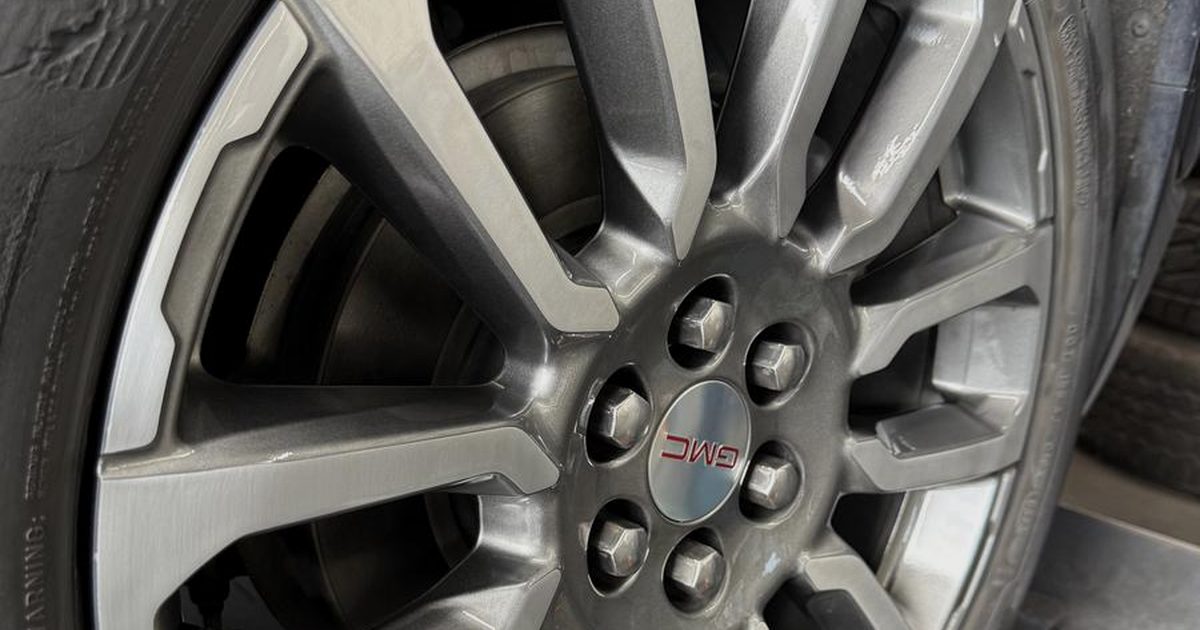
When drivers compare options for alloy wheel repair and refinishing, the first question is often whether paint or powder coat is better. That skips an important step. A painted wheel, a powder-coated wheel and a diamond-cut wheel do not have interchangeable surfaces. Before choosing a process, the technician needs to identify the original finish, the depth and position of the damage, and whether you want factory continuity or a deliberate change.
This distinction matters when only one wheel is damaged. A finish that looks correct on its own can still appear different once it is back beside three wheels exposed to years of road use, washing and sunlight. The practical decision is therefore not simply which coating lasts longer. It is which process gives the most coherent result across the vehicle without removing sound material unnecessarily.
A decision framework for Costa Mesa drivers
At the Costa Mesa wheel repair shop, the decision can be organised around four outcomes:
- Preserve the existing appearance: Use a process compatible with the factory construction and match colour, gloss and texture as closely as the wheel allows.
- Repair local cosmetic damage: Paint may suit curb rash or scratches where the surrounding coating remains stable and the design can be blended cleanly.
- Change the entire finish: Powder coating becomes relevant when you want a complete colour change or a uniform coating over the whole wheel.
- Restore a machined face: Diamond cutting may be appropriate when the visible face has fine lathe lines rather than a solid painted surface.
These routes can overlap. Some factory wheels combine painted pockets with a machined face and clear coat. Identifying that layered construction before work begins prevents a paint repair from being mistaken for a like-for-like restoration.
When paint is the sensible choice
Paint is often the most controlled option for localised cosmetic damage. During a typical curb rash repair, the damaged edge is taken back to stable material, reshaped and prepared before primer, colour and clear coat are applied. The aim is not to bury the scrape under filler and colour. The repair needs a sound transition into the surrounding finish so that the edge does not remain visible or begin lifting later.
Paint also offers flexibility when the wheel has a factory colour that is not a standard powder shade. Colour is only one part of the match: metallic orientation, gloss level and the texture of the clear coat all influence how the wheel looks in direct sun. An older wheel may have changed slightly through use, so matching the vehicle can be more useful than matching an untouched colour sample.
Paint is not automatically the right answer for widespread coating failure. If corrosion or peeling extends under much of the finish, a small spot repair can leave unstable material around the repaired area. Inspection determines whether a local repair remains reasonable or whether the wheel needs a full refinish.
When powder coating makes more sense
Wheel powder coating is a whole-wheel process rather than a disguised touch-up. It is useful when the objective is a uniform finish, a substantial colour change or removal of a failing previous coating. Because the coating is cured in an oven, this is Costa Mesa shop work for Monaco. It is not a process Monaco performs from its mobile unit.
The main buying decision is whether you are refinishing one wheel or changing a set. A fresh powder coat can make differences in colour and texture more noticeable if the other wheels retain an older factory finish. When consistency across all four wheels is the priority, the set should be considered together. When only one wheel needs work, the technician should first decide whether paint provides a closer relationship to the remaining wheels.
Powder coating should not be selected merely because it is commonly described as durable. Preparation, coating thickness, coverage and curing all affect the finished surface. It also changes the character of a wheel if the original design used a machined face, multiple colours or fine painted details. In those cases, powder may be a valid custom conversion, but it is not the same as restoring the factory construction.
When machining is part of the answer
A diamond-cut or machined wheel reflects light through very fine lines cut into the aluminium face. Paint alone cannot reproduce those lines. Proper diamond-cut wheel repair uses a lathe to remove a controlled amount from the face, recreate the visible profile and prepare it for clear coat. The painted pockets may remain part of the design, which makes this a combination finish rather than a bare-metal wheel.
Machining is appropriate only when the wheel remains a suitable candidate after inspection. Every cut removes material. There is no universal safe number of diamond-cut passes because wheel designs, face profiles, prior cuts and damage depth differ. A number that sounds acceptable for one wheel says nothing reliable about another. If previous machining or deep damage leaves too little margin for a responsible cut, paint conversion or replacement may be the better recommendation.
A paint conversion changes the appearance but can preserve more of the remaining face than another cut. That trade-off should be stated clearly: the wheel will no longer have its original machined look, but avoiding an unsuitable machining pass matters more than forcing a factory-style result onto a poor candidate.
Mixed finishes need a whole-wheel plan
Many modern wheels use more than one finish. A dark painted barrel and pockets may sit beneath a bright machined face, while centre caps use a separate plastic or painted surface. Repairing the face without accounting for those boundaries can leave soft edges, overspray or an inconsistent gloss transition. The wheel should be viewed as a complete design, even if the visible damage covers only a few inches.
This is also why photos should show the whole wheel as well as the close-up. A tight image identifies the scratch, but a wider image reveals spoke shape, finish boundaries and how the wheel relates to the vehicle. Monaco's wheel repair gallery can help you distinguish cosmetic paint repairs from complete finish changes before requesting an assessment.
What the inspection should settle
A finish decision should follow an inspection rather than lead it. The shop needs to establish:
- Whether the surface is painted, powder-coated, polished, machined or a combination.
- Whether the damage is limited to the coating or extends into the aluminium profile.
- Whether the wheel shows signs of bending, air loss or a previous repair.
- Whether one wheel or the full set needs to match after refinishing.
- Whether the goal is factory continuity, a custom colour or simply a clean cosmetic repair.
Photos often answer the first group of questions, but they cannot confirm every structural condition. Reflections and tyre position can hide deformation, and old coating can conceal prior work. A photo is useful for starting the conversation; the physical wheel controls the final repair route.
Refinishing does not correct structural damage
Paint, powder and machining address the surface. They do not make a bent wheel straight. If the steering wheel shakes, the tyre repeatedly loses air or the inner barrel appears deformed, the wheel may need a bent wheel assessment and straightening before any finish work is considered. Monaco performs straightening at the Costa Mesa shop because the process requires a press.
If you can see a crack, do not keep driving to test whether it holds air. Arrange safe transport and have the wheel professionally assessed. Monaco declines to weld cracks in structural areas and recommends replacement instead. We would rather lose the job than put that on the road. Refinishing a structurally unsuitable wheel would only improve its appearance while leaving the important problem unresolved.
What changes the quote
Monaco does not reduce refinishing to a fixed menu price because the work depends on what the wheel requires. The main quote factors include:
- The existing finish and whether it uses one colour, several layers or a machined face.
- The depth, position and extent of curb rash, gouging, corrosion or peeling.
- Previous repairs or coatings that must be evaluated before a new finish is applied.
- Whether one wheel needs matching or a complete set is changing colour.
- Any bending or other condition that needs separate shop work before refinishing.
The wheel repair cost guide explains these variables without publishing invented price bands. A clear photo usually makes the initial discussion more useful, but an image cannot expose every old repair or confirm whether a machined face has enough material for another responsible cut.
Why the Costa Mesa shop route matters
Monaco's Orange County refinishing work is completed by appointment at 1560 Superior Ave. STE B3 in Costa Mesa. The shop has the process-specific equipment required for powder coating, straightening and diamond-cut work: an oven, a press and a lathe respectively. These are Monaco's operating limits, not a claim that every mobile wheel business has the same capabilities.
Monaco also operates a mobile unit in Las Vegas, but that service is limited to cosmetic wheel repair and caliper painting. It does not offer powder coating, straightening or machining. Keeping that boundary clear prevents a cosmetic mobile appointment from being presented as a substitute for equipment-based shop work.
Choose from the wheel, not the trend
Paint is often the precise choice for local cosmetic work, powder coating suits complete finish changes and machining is reserved for suitable diamond-cut faces. None is automatically superior. The correct route follows the wheel's construction, condition and intended appearance.
For wheel refinishing in Costa Mesa, text a clear wheel photo to (949) 800-8502. Include one full-wheel image, a close-up of the damage and a note about any vibration or air loss so Monaco can identify the likely finish and advise the appropriate next step.
Related repair guides
Common questions
Can a painted repair match the other three wheels?
It often can be matched closely, but colour alone is not the full issue. Metallic orientation, gloss, texture and ageing affect the result. A full-wheel and close-up photo help Monaco assess whether a local painted repair or a complete refinish is more appropriate.
Is powder coating always better than wheel paint?
No. Powder coating is useful for a uniform whole-wheel finish or colour change, while paint can be more suitable for local cosmetic work and certain factory colours. The existing construction and the need to match the other wheels should determine the process.
Can a diamond-cut wheel be painted instead of machined?
Yes, but painting converts the appearance rather than reproducing the original lathe lines. It may be considered when another machining pass is not appropriate or when the owner prefers a solid-colour finish. The wheel must be inspected before that choice is made.
Does Monaco offer mobile powder coating or diamond cutting?
No. Monaco performs powder coating, straightening and diamond-cut work at its Costa Mesa shop because those processes require an oven, press and lathe. Monaco's Las Vegas mobile unit is limited to cosmetic wheel repair and caliper painting.
What photos should I send for a wheel refinishing quote?
Send a clear image of the entire wheel, a close-up of the damage and, if possible, an angled photo showing the face and outer edge. Mention vibration, air loss, previous refinishing or a visible crack. Do not drive on a visibly cracked wheel; arrange safe transport for professional assessment.
Text us a photo of the wheel
Send a daylight photo for an initial assessment. Repair options and final pricing are confirmed after inspection.
Get a price for your wheels
Tell us about the damage and your location. We will explain repair options and confirm pricing after assessment.
We could not send your request. Please try again, or call (949) 800-8502.
Request received.
Your enquiry is awaiting follow-up during business hours. This does not confirm an appointment; please wait for us to confirm availability before visiting. To speak with us, call (949) 800-8502.Prefer to text a photo? (949) 800-8502