EV wheel repair is not a separate craft, but an electric vehicle's mass, wheel design and installation requirements change how damage should be assessed. A scrape may still be cosmetic; a vibration after a pothole may point to runout, tyre damage or a bent barrel. The important distinction is between drive torque at the tyre and fastener torque at the hub. Treating those as the same leads to poor diagnosis and risky refitting. This guide explains where EV-specific care matters and where ordinary wheel repair principles still apply.
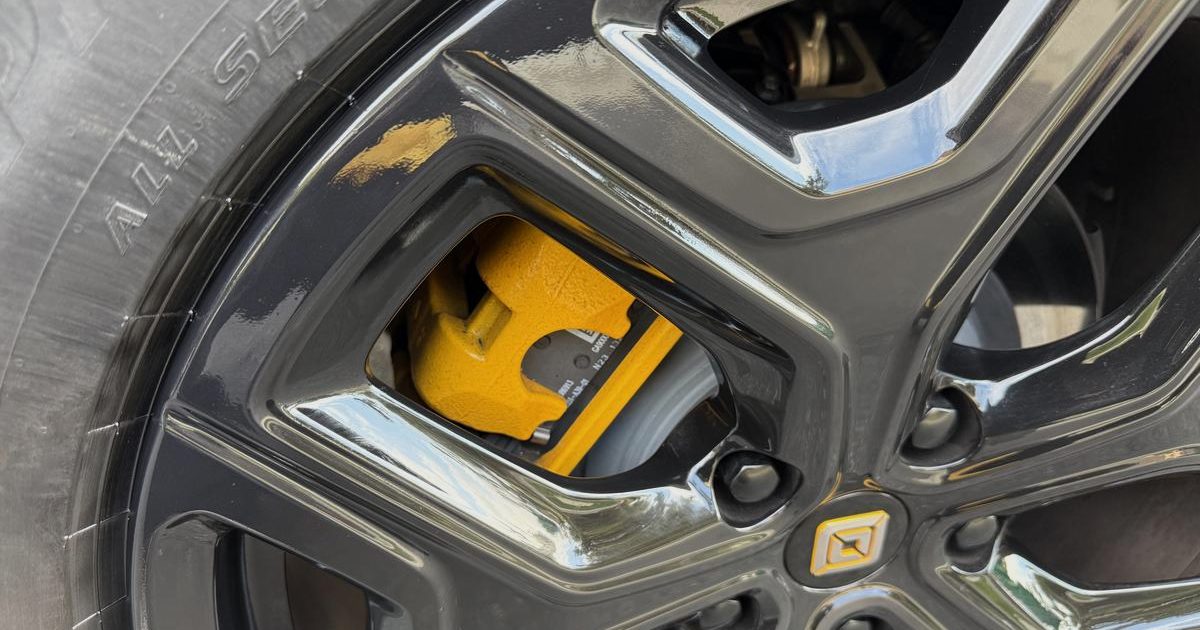
Does an EV need a different kind of wheel repair?
The metal does not know whether a battery or an engine moves the car. Aluminium wheel damage is still judged by its location, depth, shape and effect on wheel geometry. Curb rash can often be repaired as a finish problem. A bent inner barrel needs measurement and, when appropriate, shop straightening. A crack requires a structural decision rather than a cosmetic shortcut.
What changes is the context around that damage. Many EVs combine substantial vehicle weight with large-diameter wheels and low-profile tyres. That combination leaves less tyre sidewall available to absorb a sharp road edge. It does not mean every EV wheel is fragile, and it does not make every mark serious. It means the inspection should consider the impact, the tyre and the complete wheel rather than judging the visible face alone. Monaco's Tesla and EV wheel repair service is built around that distinction.
Why vehicle weight matters after an impact
A heavier vehicle places more load through each tyre and wheel during normal use. When a wheel meets a pothole lip, broken pavement or a kerb at an unfortunate angle, that load can contribute to deformation in the barrel or damage where the tyre bead seats. Speed, tyre pressure, sidewall height, impact angle and wheel construction still matter. Weight is one factor, not a diagnosis.
This is why a clean-looking wheel face does not rule out damage. The inner barrel can bend without leaving an obvious mark on the outer spoke area. The tyre may also develop internal damage that is difficult to see while mounted. If a vibration begins immediately after an impact, refinishing the visible scrape would address appearance while missing the cause of the complaint.
The reverse is also true. A shallow scrape on the outer lip does not become structural merely because it is on an EV. If the wheel runs true, holds pressure and has no crack or damaged bead area, the job may remain cosmetic. The correct approach is classification, not an automatic replacement recommendation based on vehicle type.
There are two different kinds of torque
Drive torque reaches the road through the tyre
Electric motors can deliver power differently from an internal-combustion drivetrain, but drive torque alone does not determine whether a scraped wheel can be repaired. It can, however, make poor wheel condition more noticeable. Runout, imbalance, a damaged tyre or an incorrect fit may be felt as vibration under acceleration or at particular road speeds. Those symptoms require inspection; they should not be blamed on motor torque without evidence.
Normal drive torque also should not be treated as the reason wheel fasteners loosen. A correctly fitted wheel is held by clamp load between the wheel and hub. The fasteners create that clamp load. If the seating surfaces, hardware, fitment or tightening procedure are wrong, the joint has a problem regardless of the powertrain.
Fastener torque secures the wheel to the hub
Lug-nut or wheel-bolt torque is a separate specification. The correct value comes from the vehicle manufacturer for the relevant vehicle and wheel configuration. It should not be guessed from vehicle weight, copied from another EV or treated as an impact wrench setting. Final tightening requires the specified sequence and a suitable torque wrench.
Too little tightening can leave inadequate clamp load. Excessive or uneven tightening can damage hardware, affect seating and make later removal difficult. Lubricating threads or seats can also change the relationship between applied torque and clamp load, so no lubricant should be added unless the manufacturer specifically calls for it. EV wheel repair is complete only when the wheel is refitted according to the vehicle's requirements.
What the initial inspection should separate
The useful first question is not, “Can this mark be painted?” It is, “Is the complaint cosmetic, geometric, structural or tyre-related?” Several conditions can exist on the same wheel:
- Cosmetic damage: curb rash, scratches, chipped coating or local corrosion that has not changed the wheel's shape.
- Geometric damage: a bent inner or outer barrel, radial runout or lateral runout that can contribute to vibration or sealing trouble. This may require wheel straightening at the Costa Mesa shop.
- Structural damage: a visible crack, a fracture near a spoke or hub area, or damage that removes confidence in the wheel's load path.
- Tyre or fitment trouble: sidewall damage, bead damage, trapped debris, incorrect hardware or a seating problem between the wheel and hub.
A photo is useful for an initial cosmetic assessment, especially for curb rash repair. It cannot reliably show inner-barrel runout, hidden tyre damage or every crack. Report any pressure loss, vibration, impact or unusual noise when requesting a quote; that history changes what needs to be checked.
How weight and torque affect the repair process
- Confirm the vehicle and wheel configuration. Wheel diameter, finish, tyre profile, original or aftermarket fitment and fastener type all matter. A wheel that fits physically is not necessarily using the correct seat shape or hardware.
- Inspect beyond the visible scrape. The outer face, inner barrel, bead-seat areas, spokes and hub region answer different questions. A pothole complaint deserves more than a finish inspection because the cosmetic mark may not be the important damage.
- Use the correct lifting points. EV underbodies and battery layouts vary by model. Lifting should follow the manufacturer's procedure rather than relying on a familiar point from a different vehicle. This is a vehicle-handling requirement, not a change to aluminium repair.
- Choose the repair from the damage and finish. A painted face, powder-coated wheel and machined face require different preparation. Bent wheels need a press; powder coating needs a curing oven; machined or diamond-cut faces need a lathe. At Monaco, those are Costa Mesa shop jobs rather than Las Vegas mobile work.
- Protect the mounting interfaces. Decorative coating does not belong on critical wheel seats or mating surfaces where it could interfere with fit. The wheel then needs the correct hardware, clean seating and manufacturer-specified tightening procedure when installed.
The sequence matters because refinishing first can conceal evidence needed for the structural decision. Shape, cracks and seating should be addressed before colour matching becomes the priority.
Finish repair still depends on the original wheel
Once the wheel is judged suitable for cosmetic repair, the finish determines the method. Painted damage can be cut back to sound material, prepared and refinished rather than filled over loose coating. A machined face has visible cutting lines and normally requires diamond-cut wheel repair to reproduce that appearance. There is no universal safe number of machining passes; remaining profile, damage depth and evidence of previous cutting must be assessed on the individual wheel.
Powder coating is a full refinishing route, not a quick cover for uncertain metal. It requires preparation and oven curing at the Costa Mesa shop. For EV wheels, neither paint nor powder changes the need to preserve proper mounting surfaces and inspect the wheel before refinishing.
When Monaco recommends replacement
A visible crack changes the conversation. Do not drive on the wheel; arrange safe transport and have it assessed professionally. Monaco declines to weld cracks in structural areas and recommends replacement instead. We would rather lose the job than put that on the road.
Replacement may also be the responsible result when deformation, missing material, previous repair or an unsuitable wheel specification leaves too much uncertainty. Vehicle weight is not the sole reason for that decision. Damage location and the wheel's ability to perform its structural job matter more than whether the car carries an EV badge.
What changes the quote
Monaco does not publish a single EV repair price because the badge and powertrain do not define the work. Quote factors include damage depth and location, whether the wheel is bent, the finish type, previous repairs, wheel size, tyre removal requirements and whether the correct outcome is repair or replacement. The wheel repair cost guide explains those factors without invented price bands.
Orange County coating, straightening and diamond-cut work is handled at the Costa Mesa shop by appointment. Las Vegas service is mobile and limited to cosmetic wheel repair and caliper work. To start an assessment, text a clear wheel photo to (949) 800-8502. Include the vehicle model, the damaged area and whether you have vibration, pressure loss or a recent impact.
Related repair guides
Common questions
Does an EV's weight automatically mean a damaged wheel must be replaced?
No. Weight is one part of the operating load, but repairability depends on the damage location, depth, wheel geometry, finish and structural condition. A shallow cosmetic scrape may remain repairable, while a crack in a structural area can require replacement.
Can high motor torque loosen EV wheel bolts or lug nuts?
Normal drive torque should not loosen correctly fitted hardware. Wheel fasteners create clamp load between the wheel and hub. Correct hardware, clean seating surfaces, the specified tightening sequence and the manufacturer's torque specification are what matter.
Can Monaco straighten a bent EV wheel with mobile service?
No. Monaco's straightening work requires a press and is handled at the Costa Mesa shop by appointment. The Las Vegas mobile unit performs cosmetic wheel repair and caliper work only.
Is it safe to drive with a visible crack in an EV wheel?
No. Do not drive on a wheel with a visible crack. Arrange safe transport and professional assessment. Monaco declines to weld cracks in structural areas and recommends replacement.
What should I send for an EV wheel repair quote?
Text a clear photo of the full wheel and a close view of the damage to (949) 800-8502. Include the vehicle model, wheel size if known, and whether the car has vibration, pressure loss or a recent pothole or kerb impact.
Text us a photo of the wheel
Send a daylight photo for an initial assessment. Repair options and final pricing are confirmed after inspection.
Get a price for your wheels
Tell us about the damage and your location. We will explain repair options and confirm pricing after assessment.
We could not send your request. Please try again, or call (949) 800-8502.
Request received.
Your enquiry is awaiting follow-up during business hours. This does not confirm an appointment; please wait for us to confirm availability before visiting. To speak with us, call (949) 800-8502.Prefer to text a photo? (949) 800-8502