Diamond-cut wheel repair is not the same as repainting a damaged rim. It involves restoring a machined face, so the right result depends on the depth of the damage, the wheel's construction and the equipment available to do the work properly.
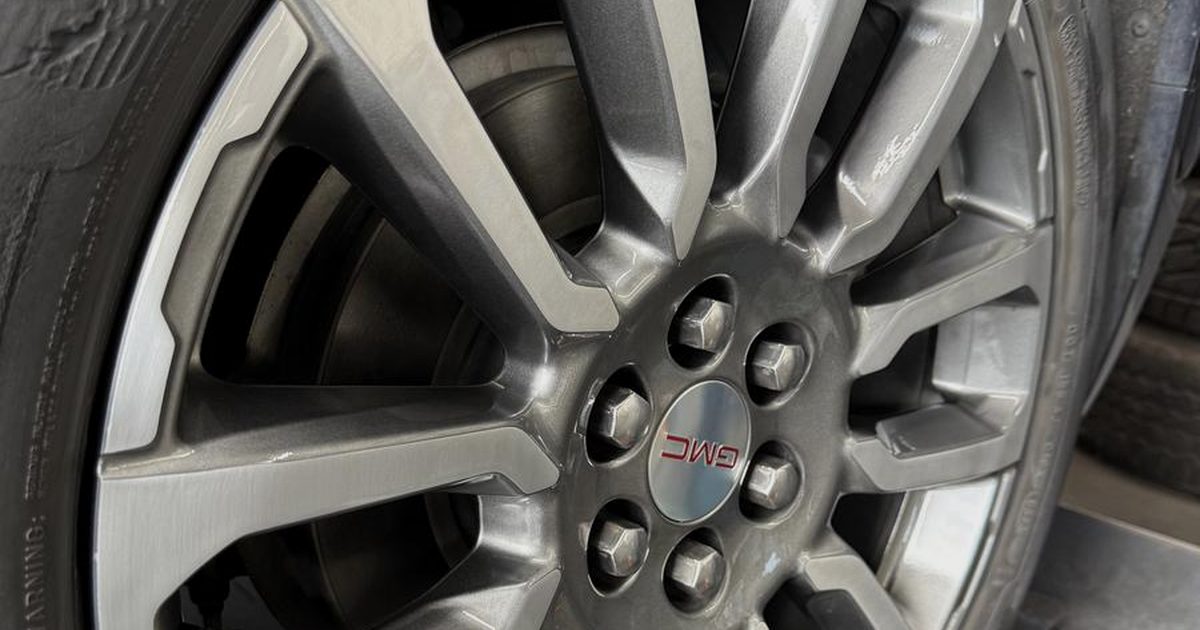
A diamond-cut wheel has a machined outer face that catches the light differently from its painted pockets or inner spokes. That contrast is part of the design, but it also makes kerb marks, scratches and patches especially visible. When the face is damaged, a conventional colour-matched repair may hide the mark from a distance while leaving the surface texture and reflected lines inconsistent.
That is why diamond-cut wheel repair needs a different approach. The damaged area must be taken back to sound material, then the face is machined so the original pattern can be recreated. It is a precision process rather than a quick cosmetic fill, and not every damaged wheel is a sensible candidate.
What makes a wheel diamond-cut?
During manufacture, a lathe removes a controlled layer from part of the wheel face. The cut creates fine, directional lines in the aluminium and exposes a bright metal surface. The recessed areas are usually painted, giving the wheel its two-tone appearance. A clear protective finish is then applied over the completed face.
In practical terms, the repair has to address both the visible cut and the coating around it. A technician needs to determine where the machined surface ends, how deeply the damage has gone and whether enough material remains for another controlled cut. The important questions are:
- Is the damage limited to the machined face, or has it reached the spoke edge and painted pockets?
- Are there deep gouges, flattened sections or raised metal that need to be corrected?
- Has corrosion started beneath the clear coat?
- Has the wheel previously been machined or refinished?
- Is the wheel structurally sound, without a crack or severe deformation?
A photograph can often show whether the wheel is worth inspecting, but it cannot replace an in-person assessment of the metal and the wheel's runout.
Which damage can be repaired?
Light kerb rash and shallow scratches on the machined face are the most straightforward cases. The damage can often be removed by carefully machining the face back to a consistent surface, followed by the appropriate finish. Small areas of corrosion or clear-coat failure may also be addressed, depending on how far they have spread and how much original material is available.
When the damage is more complicated
A deep impact can leave a gouge that extends from the bright face into a painted pocket. That becomes a combined refinishing job rather than a simple diamond-cut repair. The outer lip may need attention as well, and the colour or texture has to transition cleanly between repaired areas.
It is also possible for a wheel to look cosmetic while carrying a structural problem from the same impact. A bent rim, crack or serious distortion is a separate concern. If you suspect impact damage, ask for the wheel to be checked rather than assuming that a clean-looking face means the wheel is safe.
How the repair process works
The exact sequence varies with the wheel, but a proper repair normally follows a controlled inspection and refinishing process:
- Inspection. The wheel is examined for cracks, bends, previous cuts, corrosion and damage to the bead or spoke areas. This establishes whether repair is appropriate before cosmetic work begins.
- Preparation. The tyre and hardware may need to be removed so the wheel can be mounted and inspected correctly. Dirt, old coating and loose material are cleaned away from the damaged area.
- Material removal. The face is machined on a lathe to remove the damaged surface and recreate a consistent pattern. The technician has to remove enough material to clear the damage, but no more than the wheel can reasonably tolerate.
- Secondary refinishing. If the damage reaches painted pockets or adjacent areas, those sections are refinished so the transition does not look like a separate patch.
- Protection and inspection. The repaired surface receives its protective finish, then the wheel is checked for coverage, texture and visual consistency before it is returned.
The lathe is the key limitation. It is what allows the face to be cut evenly instead of being shaped by hand with filler or abrasive tools. That distinction matters because the bright lines on a diamond-cut wheel are created by the machining pattern, not simply by the colour of the metal.
What Monaco Wheels will not do
Monaco Wheels does not treat every damaged wheel as repairable. Cracks in structural areas are not welded as a cosmetic solution. A replacement recommendation is safer than putting a compromised wheel back on the road, and we would rather lose the job than put that on the road.
There is also a clear difference between the services available in each market. Diamond-cut faces, straightening and powder coating require shop equipment, so they are performed at the Costa Mesa shop. The Las Vegas unit is mobile only and handles cosmetic wheel repair and caliper painting on site. A van does not have the press, oven or lathe required for these shop processes.
If the wheel is bent, see the separate wheel straightening service rather than assuming the face repair will correct the problem. If the wheel needs a completely different finish, powder coating may be the more suitable route, although powder coating is not the same finish as a machined face.
How much does diamond-cut wheel repair cost?
There is no useful single price for this work because the amount of labour and material removal changes from wheel to wheel. The main factors are the wheel's diameter and design, the depth and spread of the damage, the condition of the clear coat, the number of areas requiring refinishing and whether the wheel needs additional inspection or straightening.
A single shallow mark on an otherwise sound wheel is a different job from a deep impact across the lip and several spokes. Previous repairs can also affect the decision: if a face has already been cut multiple times, removing another layer may not be responsible. Monaco explains the factors rather than publishing a made-up figure; the wheel repair cost guide covers the same approach.
Where is diamond-cut work performed?
For Orange County owners, diamond-cut work is performed by appointment at Monaco Wheels' Costa Mesa shop, at 1560 Superior Ave. STE B3, Costa Mesa, CA 92627. The shop handles the equipment-dependent work, including machined faces, powder coating and straightening. The Costa Mesa wheel repair page explains the shop model and appointment requirement.
Las Vegas customers should use the mobile service for eligible cosmetic wheel repair, not for a diamond-cut re-cut. The unit comes to a home, hotel or office, but it cannot perform lathe work on site. If you are unsure which service applies, send a clear photograph before arranging anything.
How to look after a repaired face
After repair, avoid harsh wheel cleaners, stiff metal brushes and abrasive pads. Use a product intended for finished wheels, rinse thoroughly and dry the face rather than allowing chemical residue to sit on it. Brake dust is easier to remove when it is cleaned regularly, before heat and moisture allow contamination to bond more firmly to the protective coating.
Do not confuse a clean wheel with a repaired wheel. If a scratch catches your fingernail, if the clear coat is lifting or if corrosion is spreading from the edge, have it assessed. For painted or standard alloy finishes, Monaco also provides alloy wheel repair and refinishing; diamond-cut machining is only the right answer when the wheel's original face and remaining material support it.
Repair or replace?
Repair is sensible when the wheel is structurally sound and the damaged face can be restored without removing an unsafe amount of material. Replacement deserves consideration when there is a structural crack, severe distortion, repeated previous machining or damage that would require an artificial-looking patch. The honest answer is not always the most convenient one, but it is the answer that protects the wheel's function as well as its appearance.
If you want an initial view before booking, text a clear wheel photo to (949) 800-8502. Include the full wheel, a close view of the damage and your location so Monaco can tell you whether the next step is Costa Mesa shop work or an eligible Las Vegas mobile repair.
Common questions
What is diamond-cut wheel repair?
It is the process of machining the damaged face of a diamond-cut alloy wheel on a lathe to recreate a consistent surface pattern, followed by any required refinishing and protective coating.
Can every diamond-cut wheel be repaired?
No. The wheel must have enough sound material for a safe re-cut and must not have a structural crack or severe deformation. Previous machining and the depth of the damage can also make replacement the better option.
Can a mobile technician repair a diamond-cut wheel in Las Vegas?
No. Monaco Wheels' Las Vegas service is mobile and handles cosmetic wheel repair and caliper painting. Diamond-cut machining requires a lathe, so it is Costa Mesa shop work.
Is diamond-cut repair the same as painting a wheel?
No. Painting restores colour, while diamond-cut repair recreates a machined face with directional lines in the aluminium. A wheel with damage to both the face and painted areas may need both processes.
How do I find out whether my wheel needs repair or replacement?
Text a clear photo of the complete wheel and a close-up of the damage to (949) 800-8502. A technician can provide an initial direction, but structural and material decisions require an inspection.
Text us a photo of the wheel
Send a daylight photo for an initial assessment. Repair options and final pricing are confirmed after inspection.
Get a price for your wheels
Tell us about the damage and your location. We will explain repair options and confirm pricing after assessment.
We could not send your request. Please try again, or call (949) 800-8502.
Request received.
We will come back to you shortly. For anything urgent, call (949) 800-8502.Prefer to text a photo? (949) 800-8502